
 Thursday, April 23, 2026, Peterborough, ON
What began as a shared vision for deeper collaboration has become an engine for healthcare innovation in Peterborough.
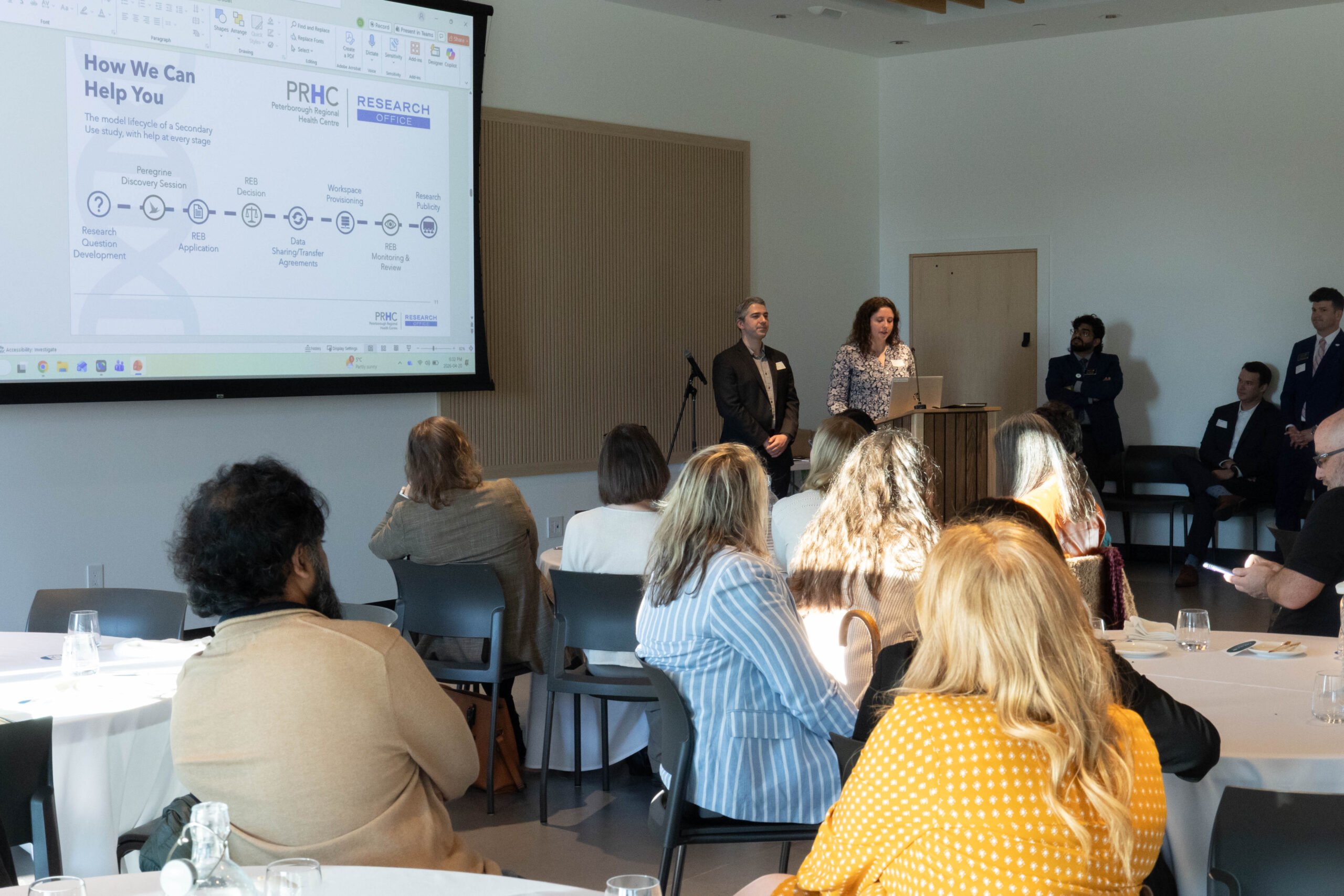
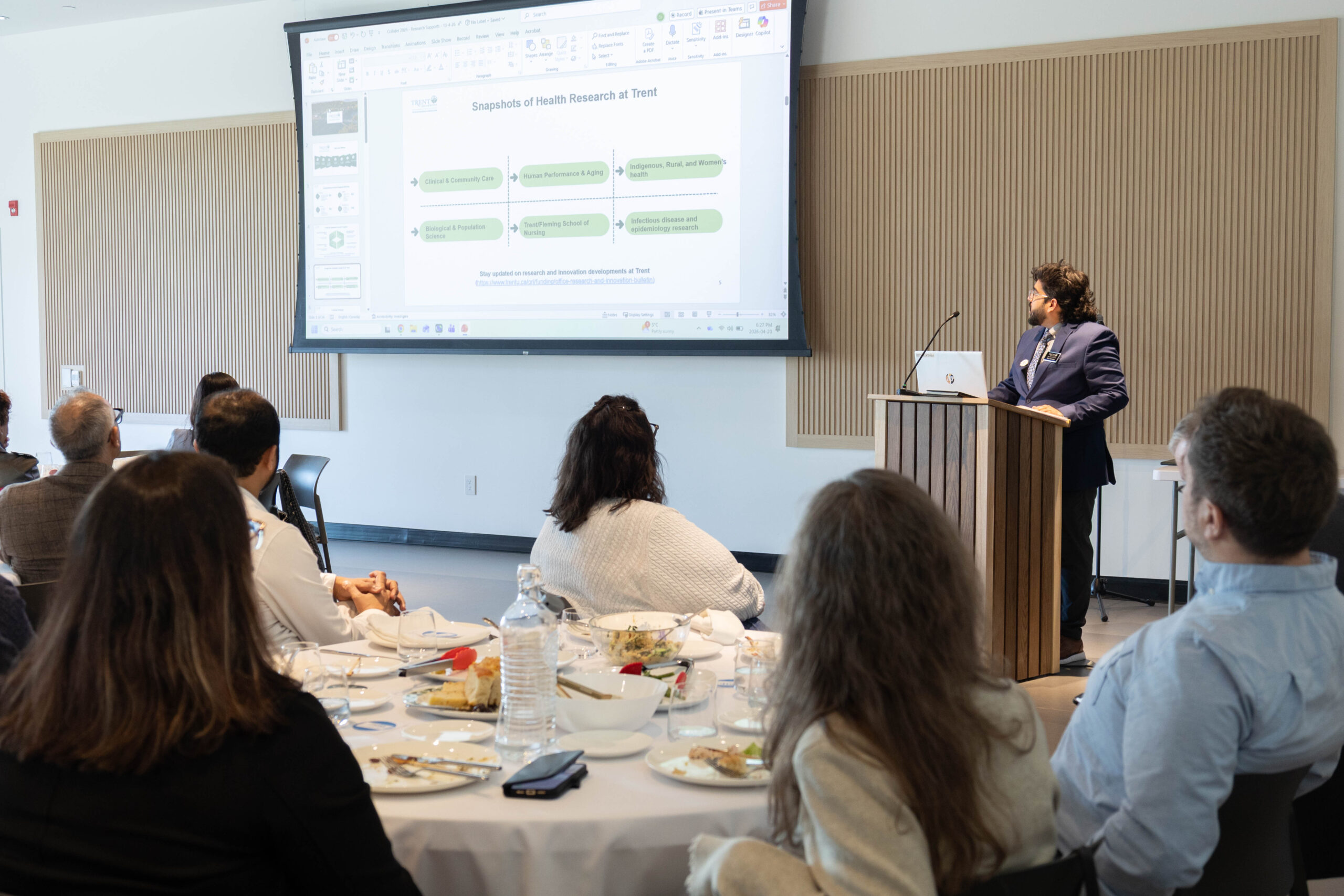
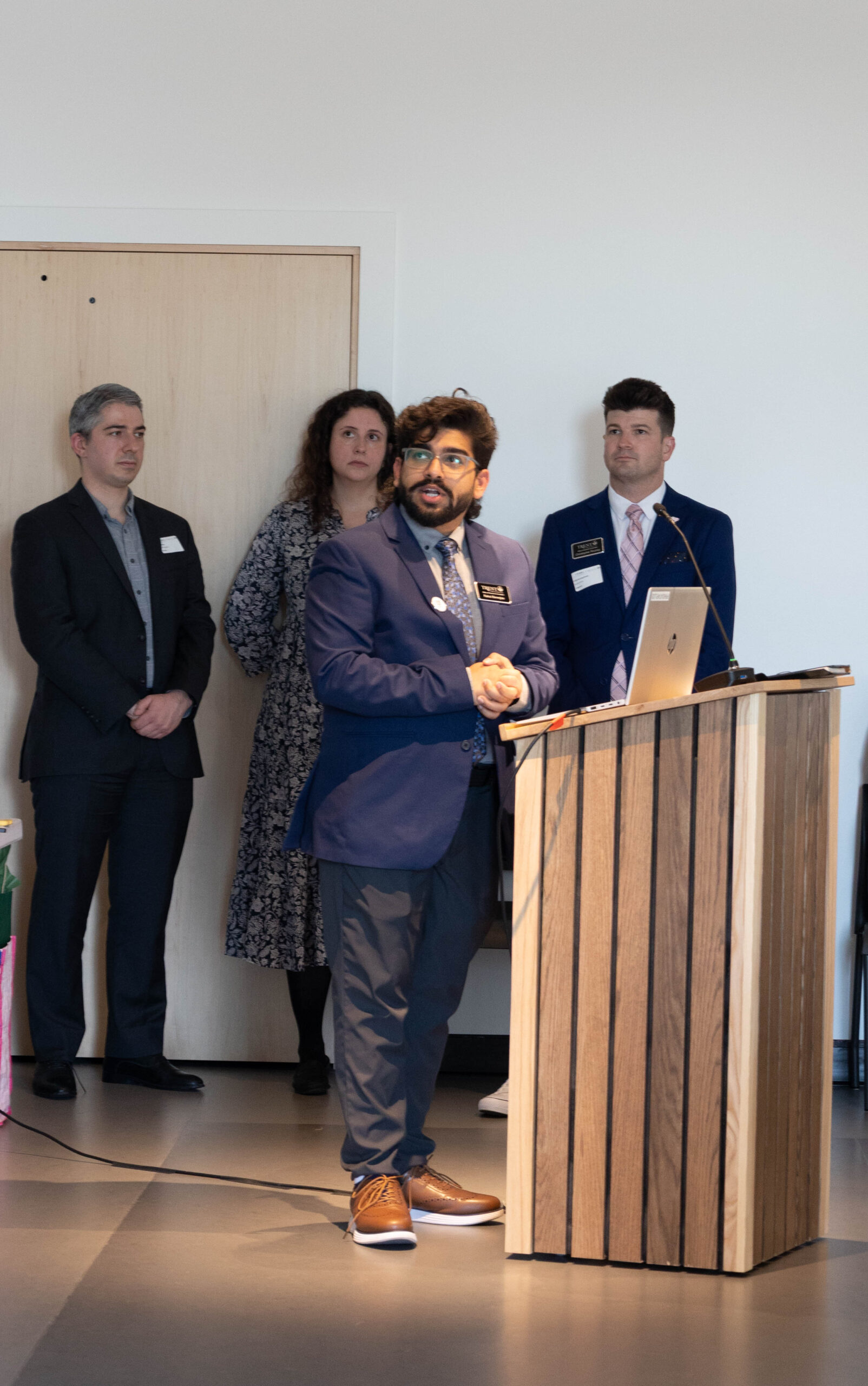
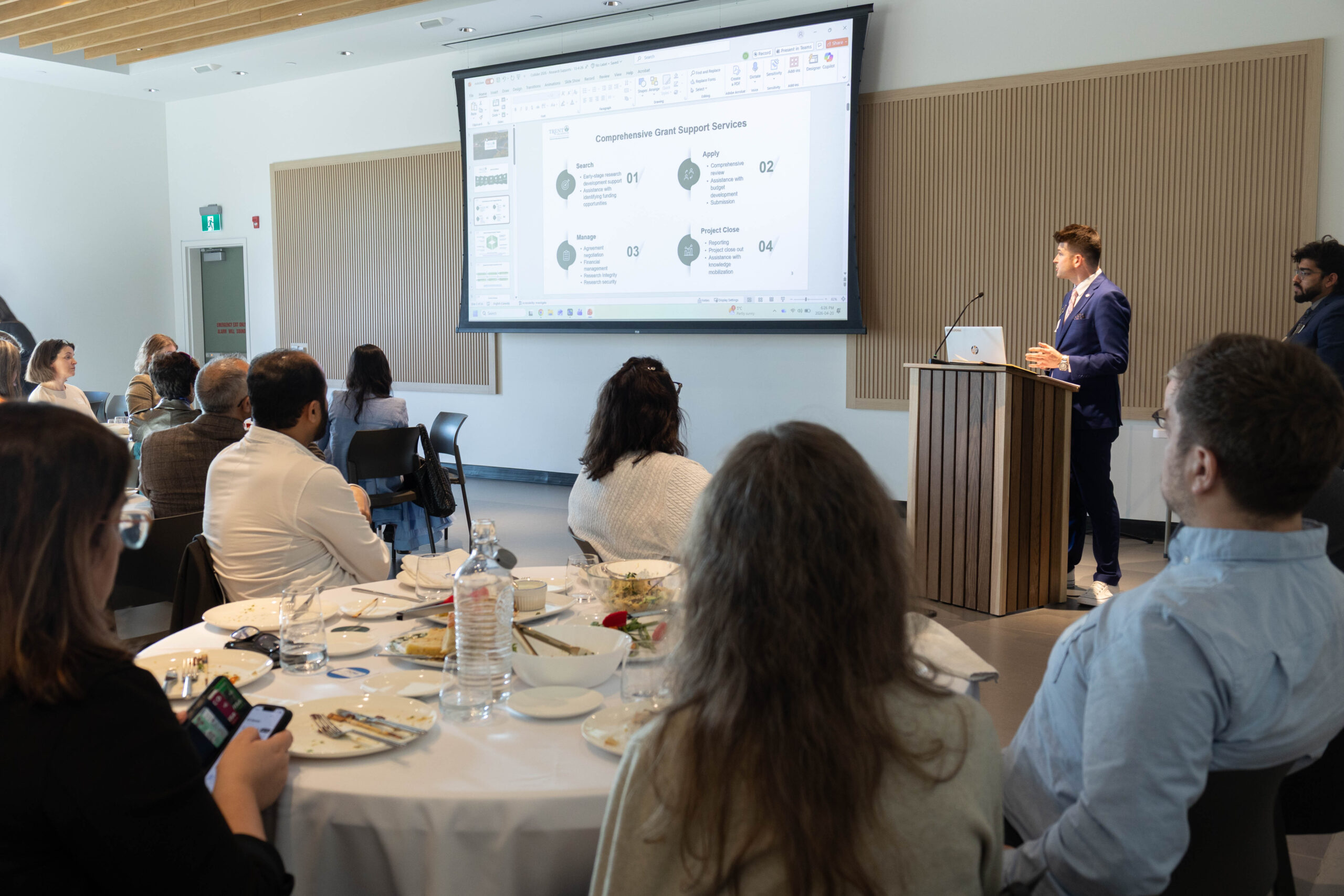
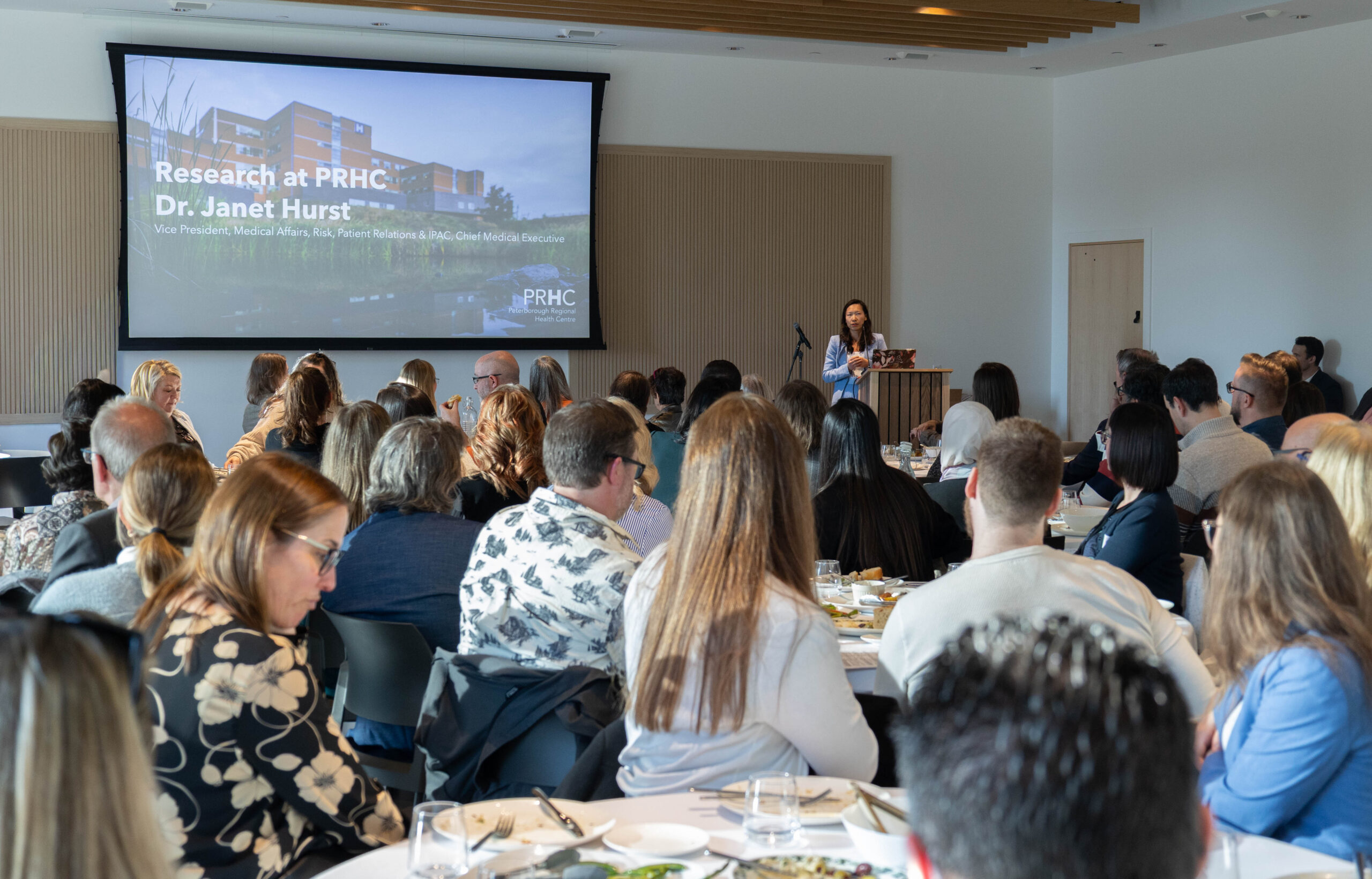
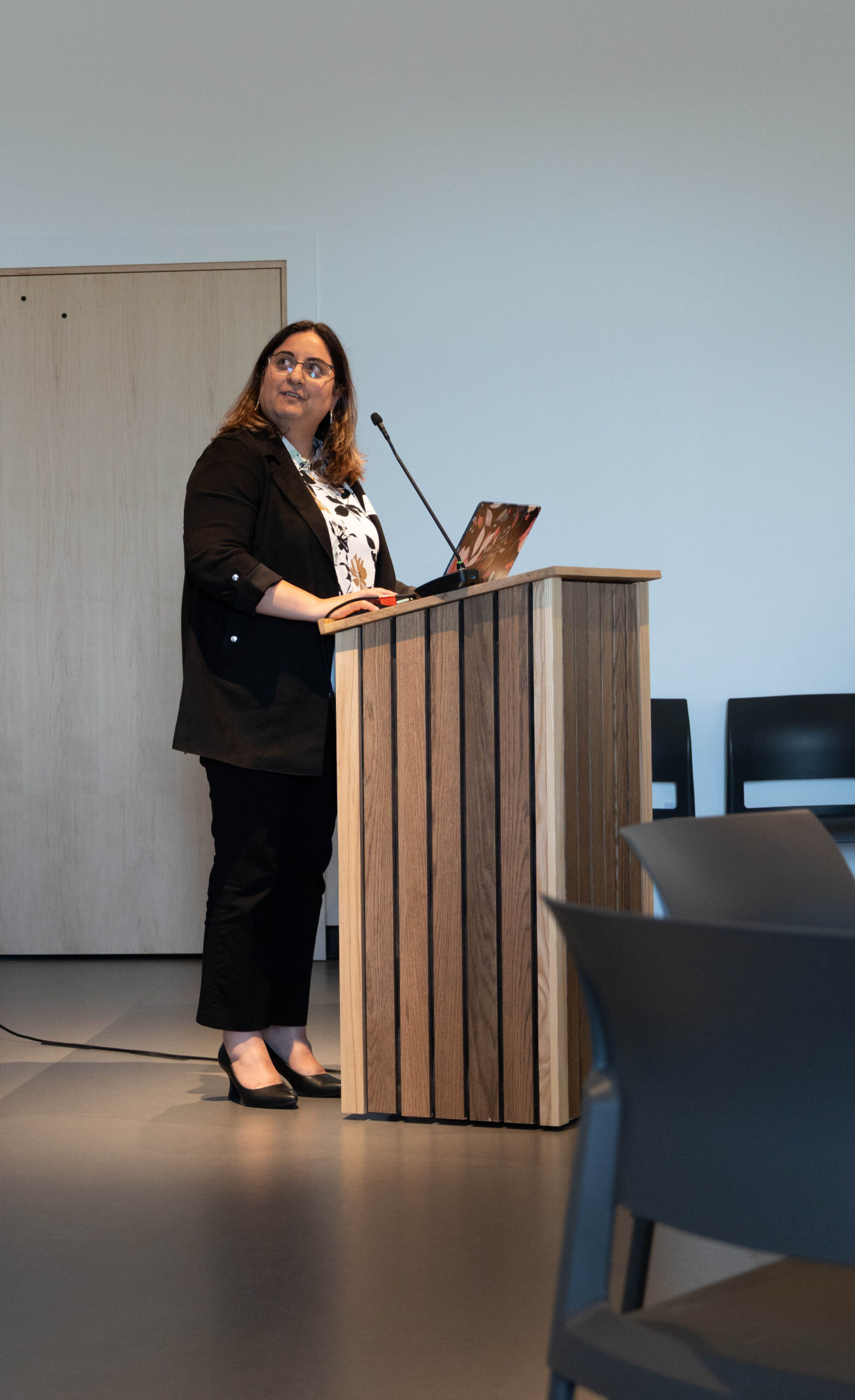
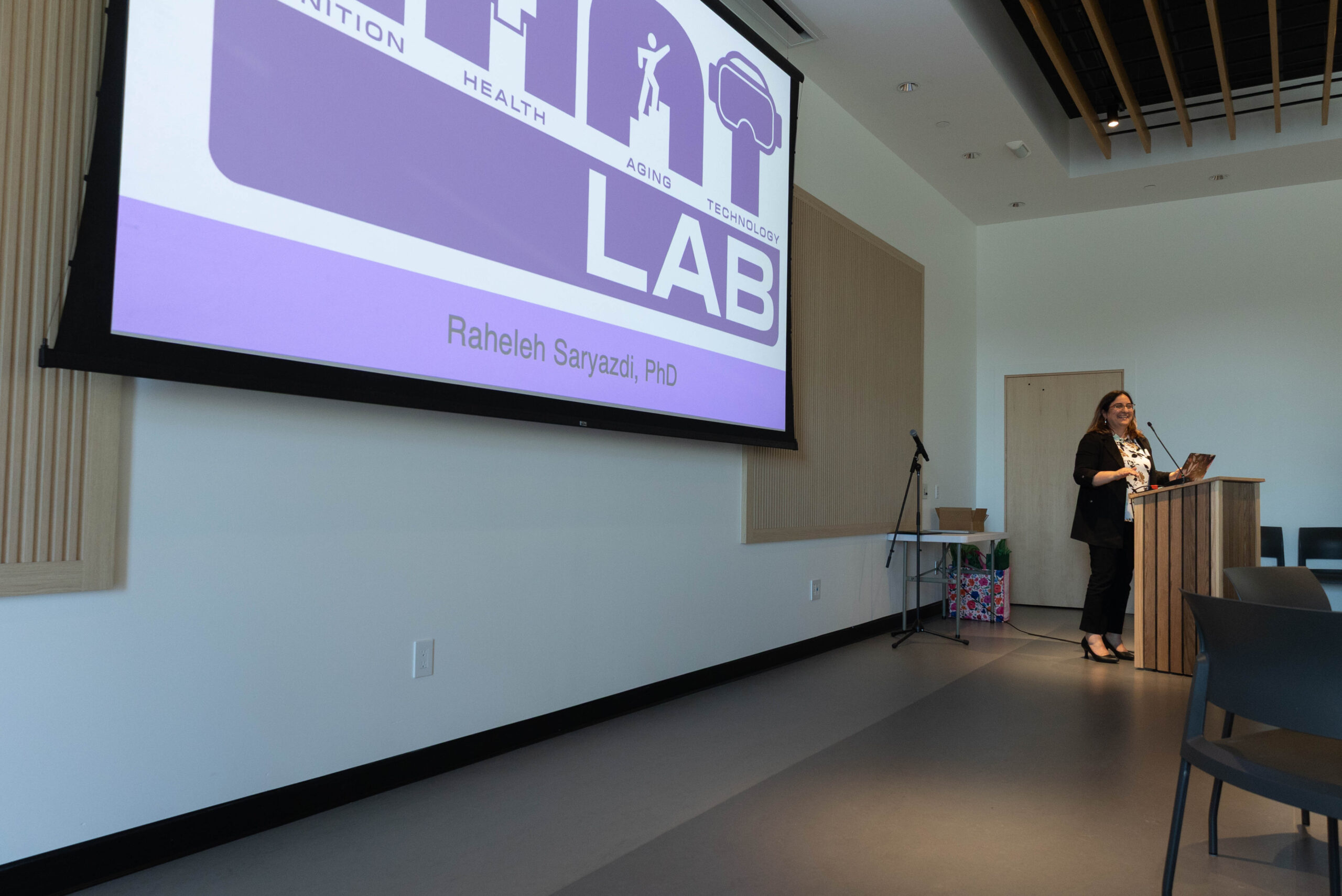
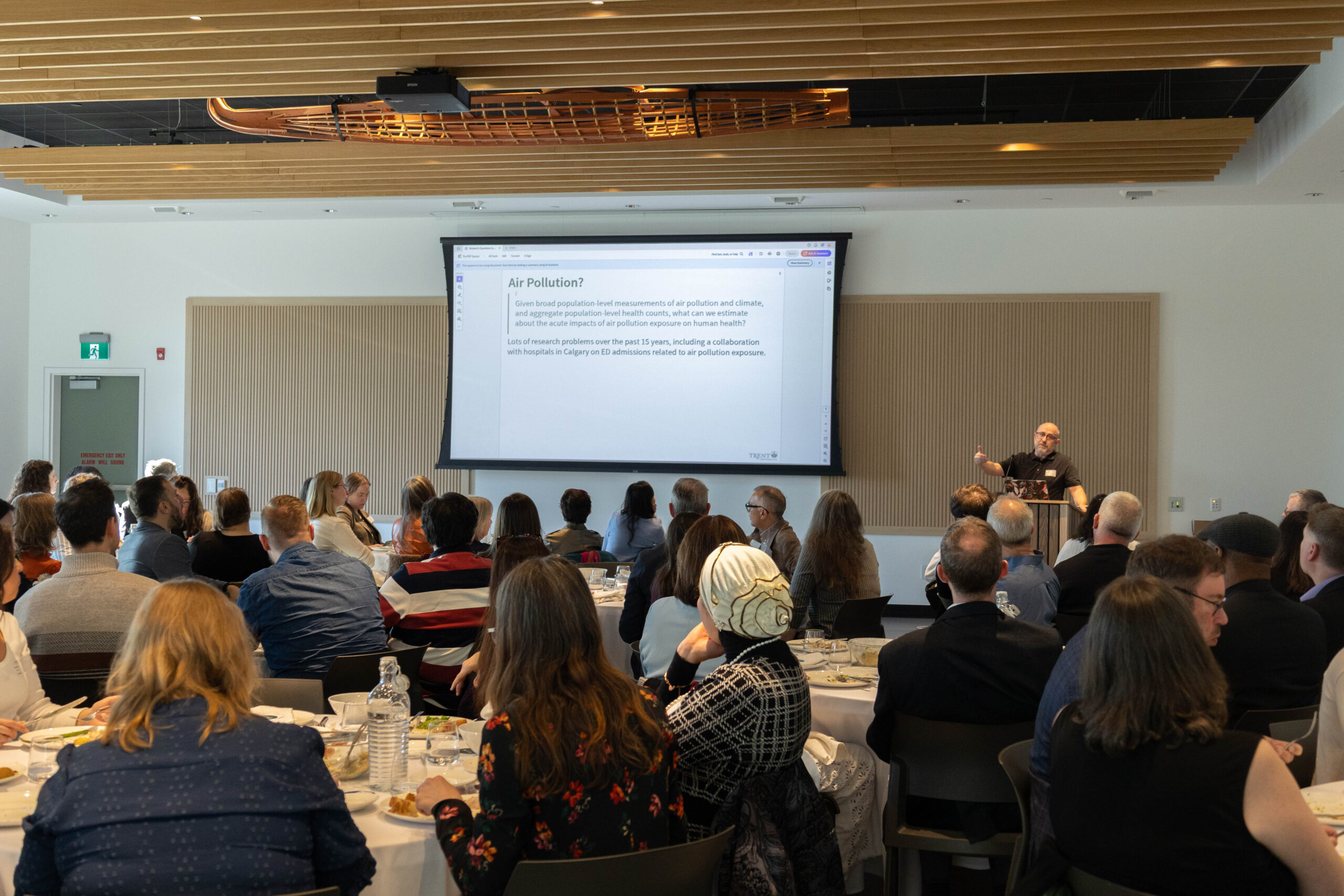
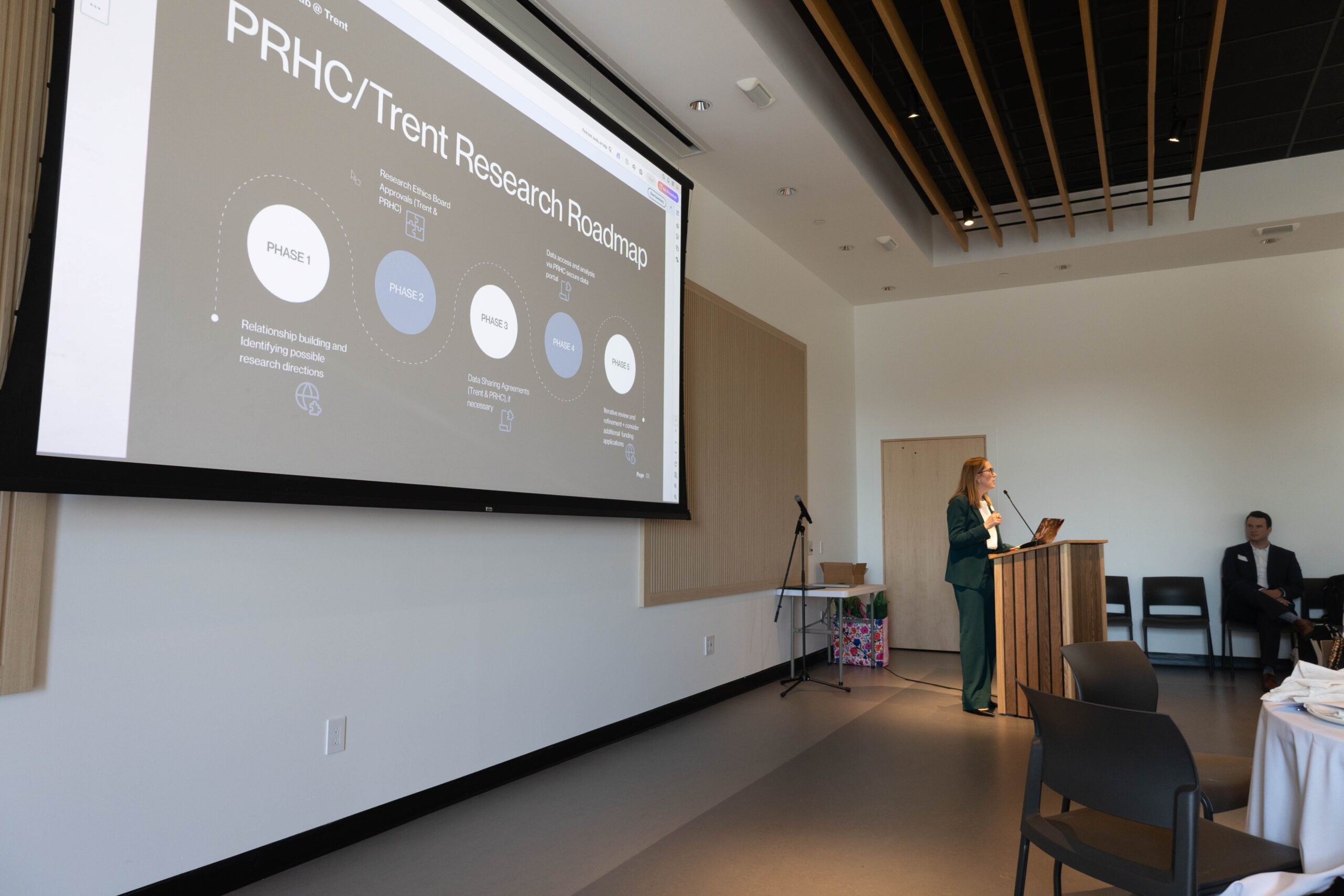
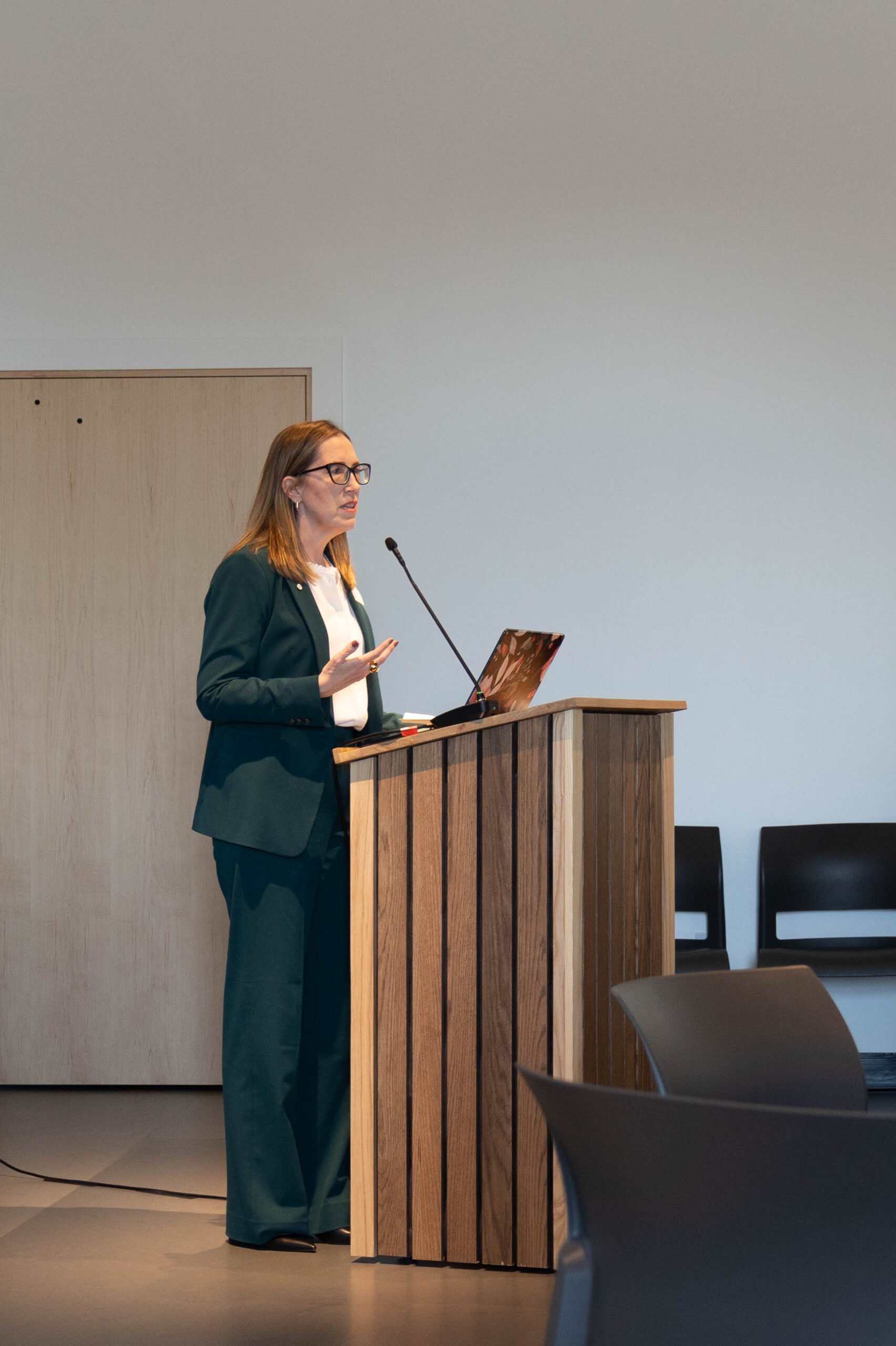
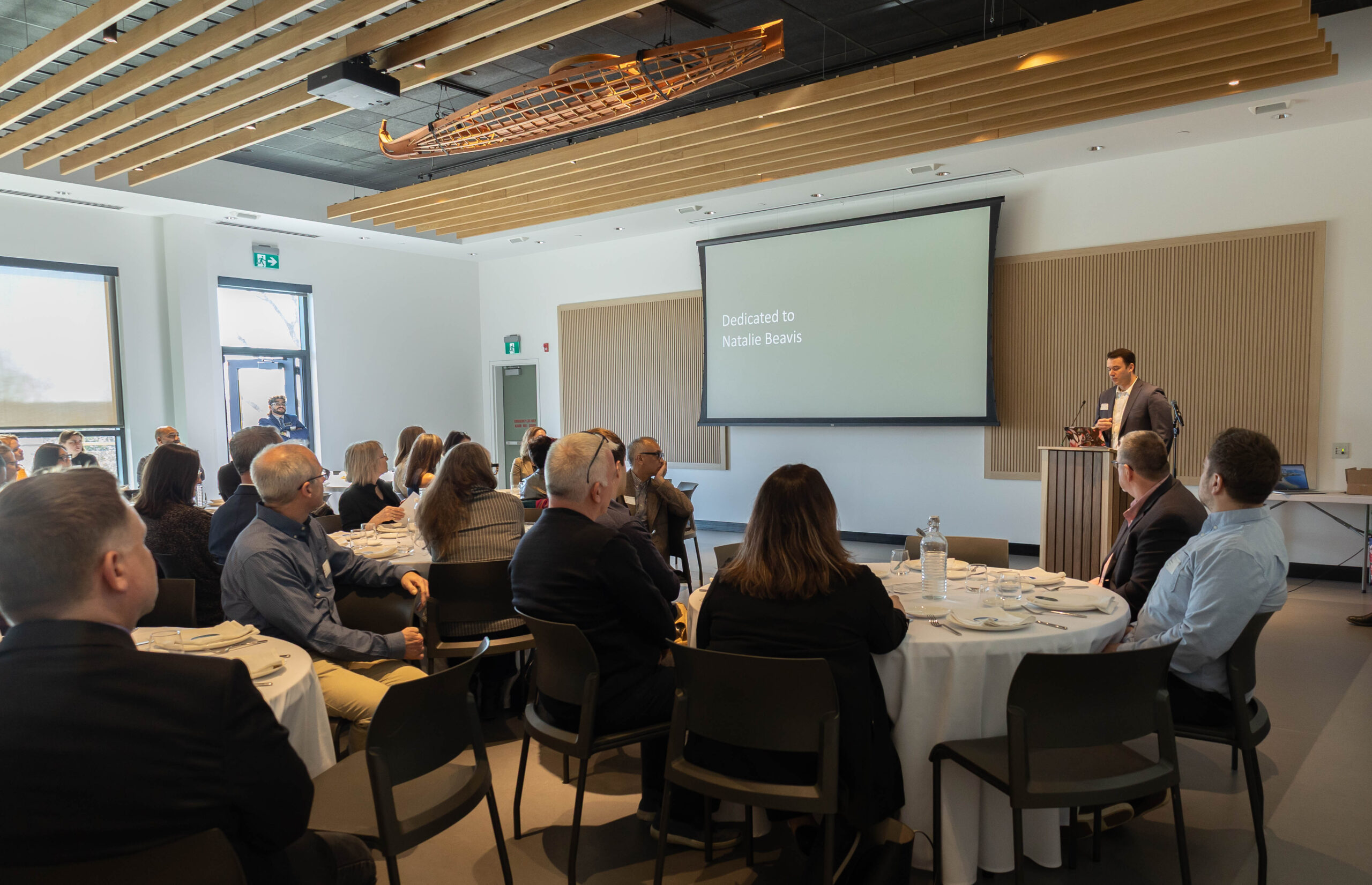
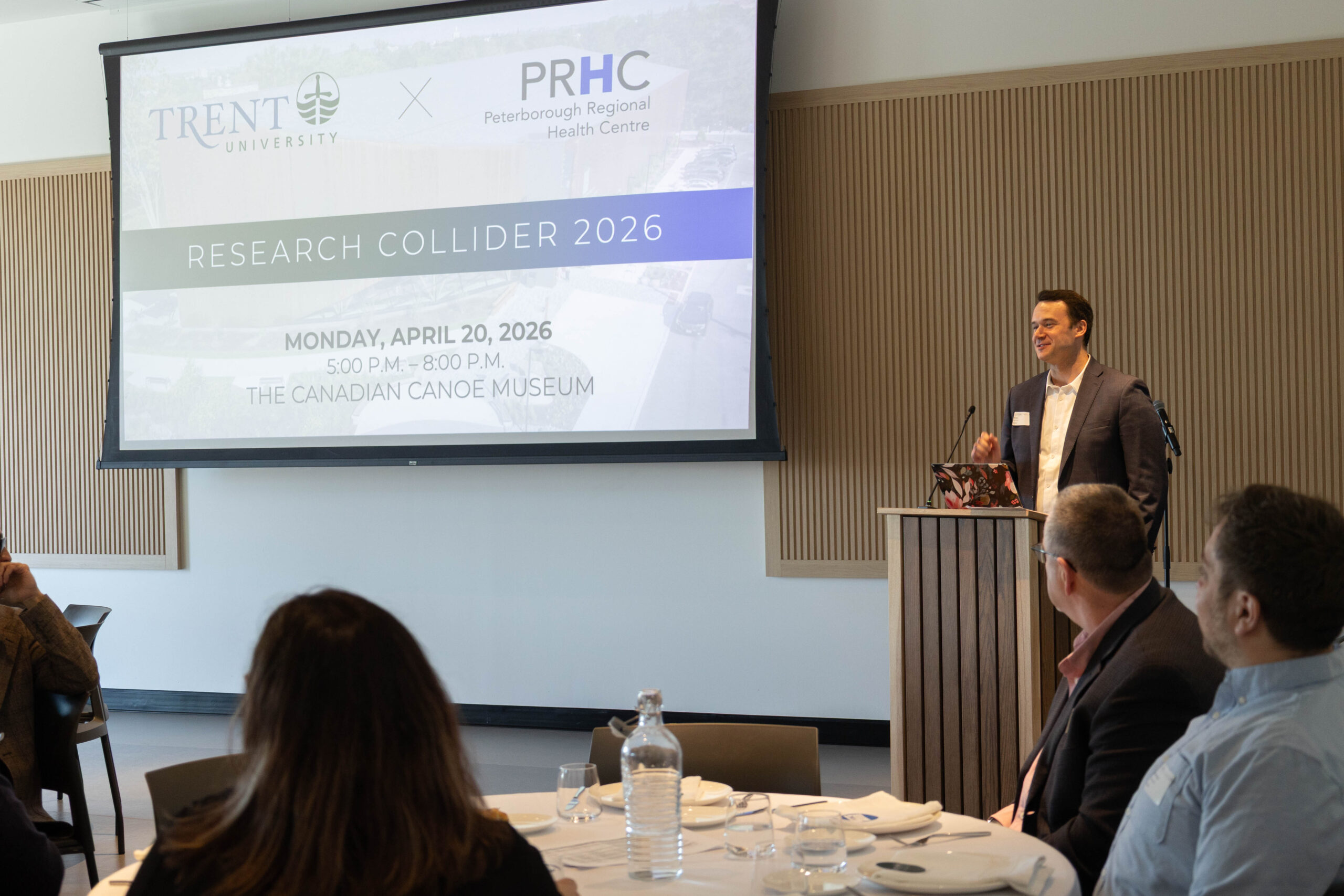
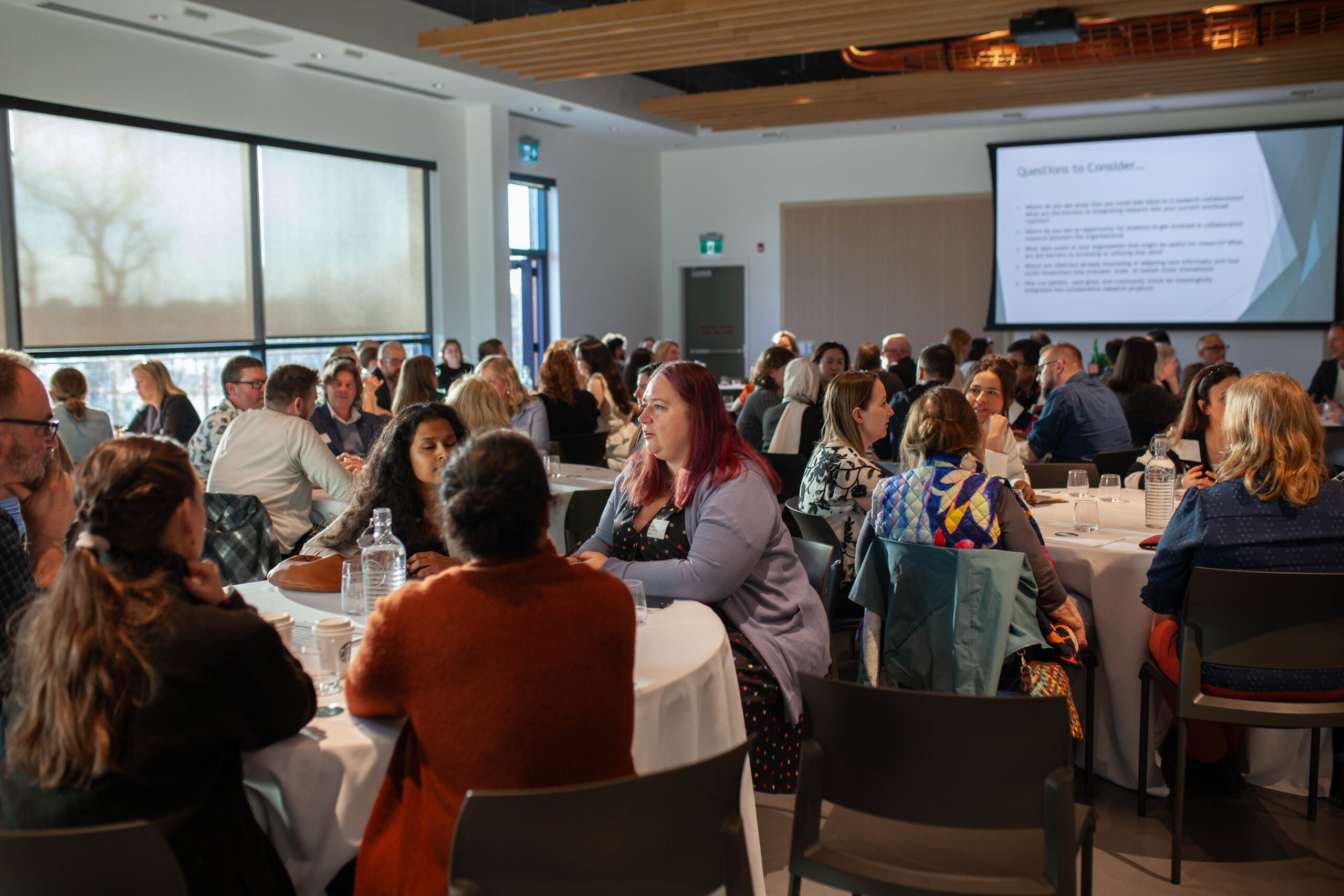
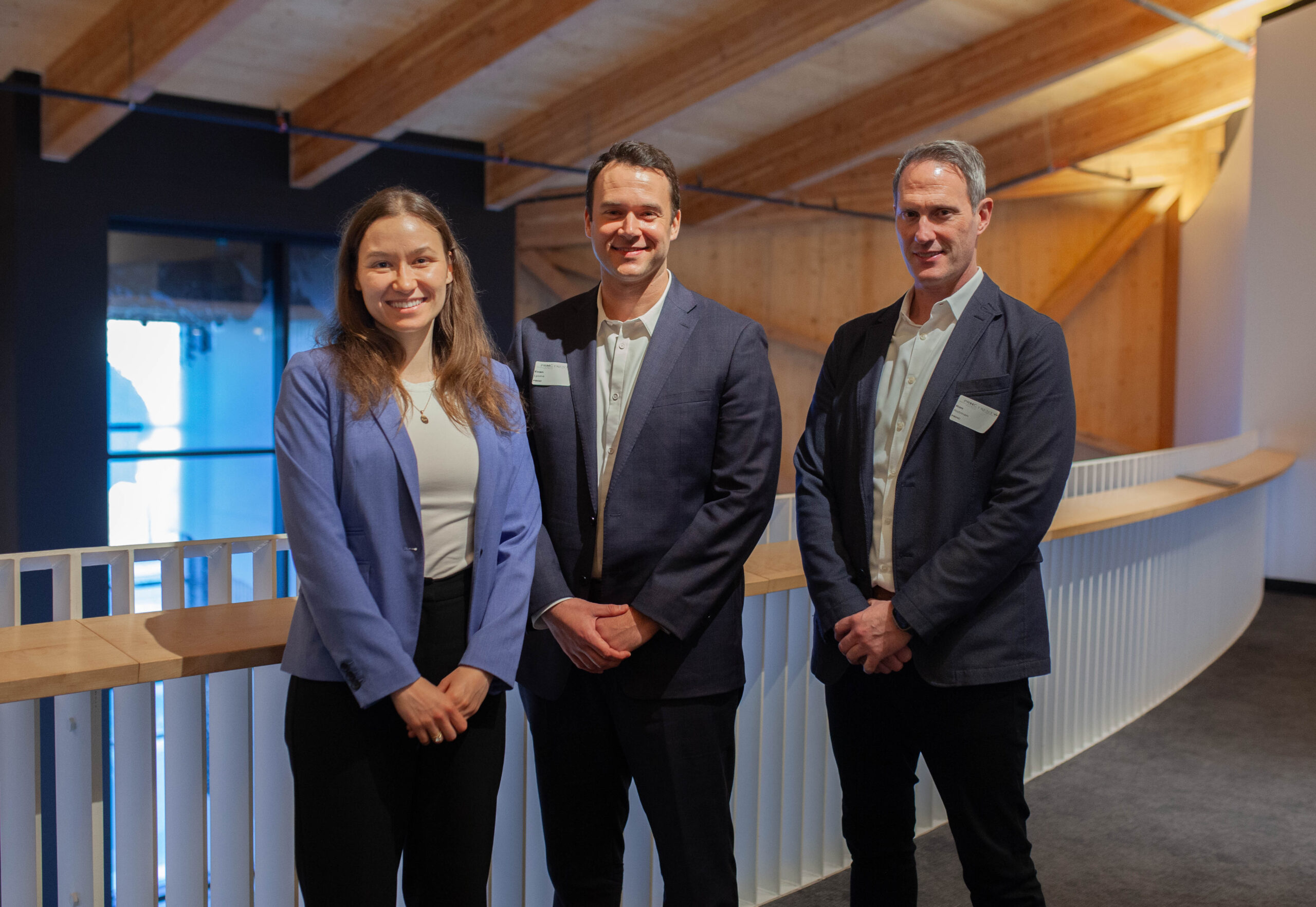
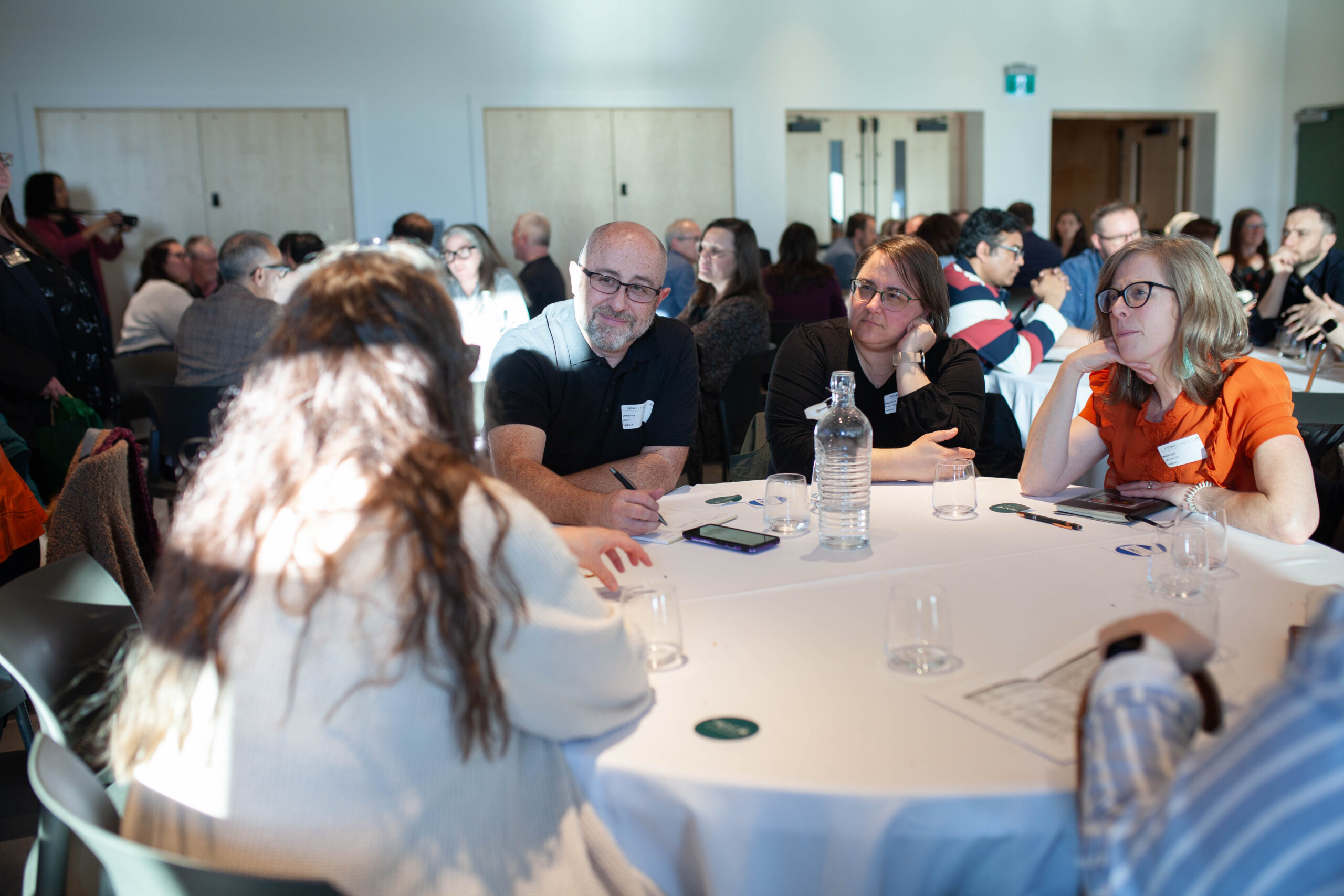
Peterborough Regional Health Centre (PRHC) and Trent University held the first annual joint Collider event, bringing together more than 100 clinicians, researchers, students, and staff to shape community-focused care through research collaborations and knowledge sharing.
“By creating opportunities for our clinicians, researchers, and students to come together, we’re turning collaboration into something tangible,” said Dr. Lynn Mikula, President & CEO of PRHC. “Collider is about showing what’s possible when we combine clinical insight, academic expertise, and real-world data – and it’s only the beginning.”
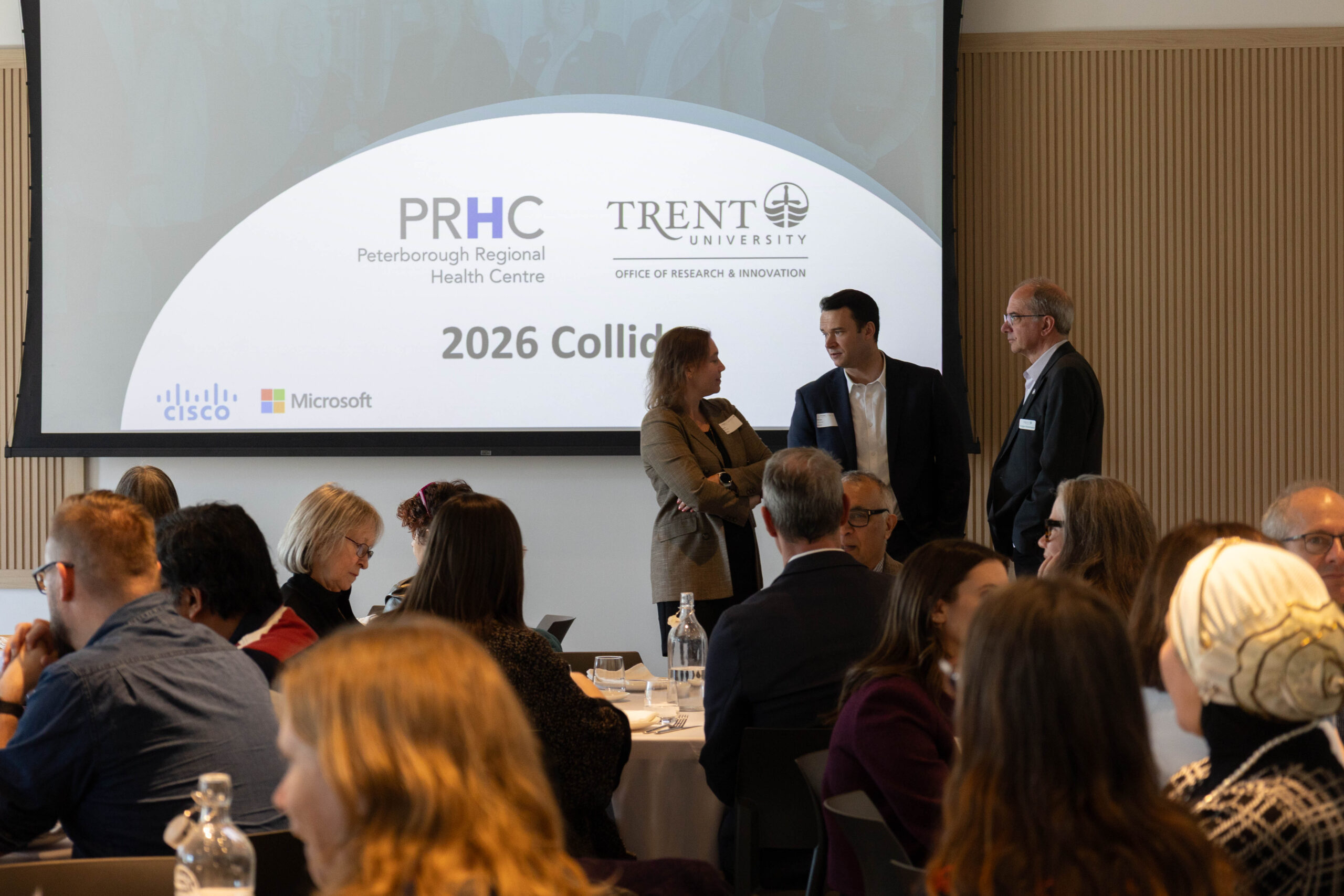
The inaugural Collider event was proudly supported by Cisco and Microsoft Canada, whose contributions helped bring together clinicians, researchers, students, and staff to advance healthcare innovation in Peterborough.


Ideas and expertise for health innovation
Collider marks the latest milestone in a collaboration formalized in 2025 through a Memorandum of Understanding (MOU) between PRHC and Trent University. Over the past year, the two institutions have been working to move from alignment to action, focused on connecting people, ideas, and infrastructure to accelerate healthcare research, education, and innovation.
The inaugural Collider event, which achieved full capacity, involved participants from a wide range of disciplines, from health sciences and nursing to social sciences and data analytics, to human resources and business. The breadth of expertise represented reflects the strong interest and commitment from both organizations and the broader research community to solve healthcare challenges.
“This Collider event brings people and ideas together. It reflects Trent’s commitment to working alongside community partners to respond to regional needs,” said Dr. Cathy Bruce, president and vice-chancellor of Trent University. “By connecting Trent researchers with clinicians at PRHC, we are advancing work that is grounded in community priorities and focused on improving health outcomes close to home, and with impacts that reach much further afield.”
One of the first research projects to begin collaboration is led by Trent professors Dr. Amy Greer and Dr. Wesley Burr, whose work focuses on improving our understanding of the impact of drug poisonings on paramedicine and emergency department resources. In collaboration with PRHC and paramedic service colleagues from PCCP, Greer and Burr, alongside Trent M.Sc. student Shawn Yip, are exploring patterns and trends in toxic drug poisonings in our local community with a focus on the unique nature of healthcare service delivery in large, mixed urban-rural regions.
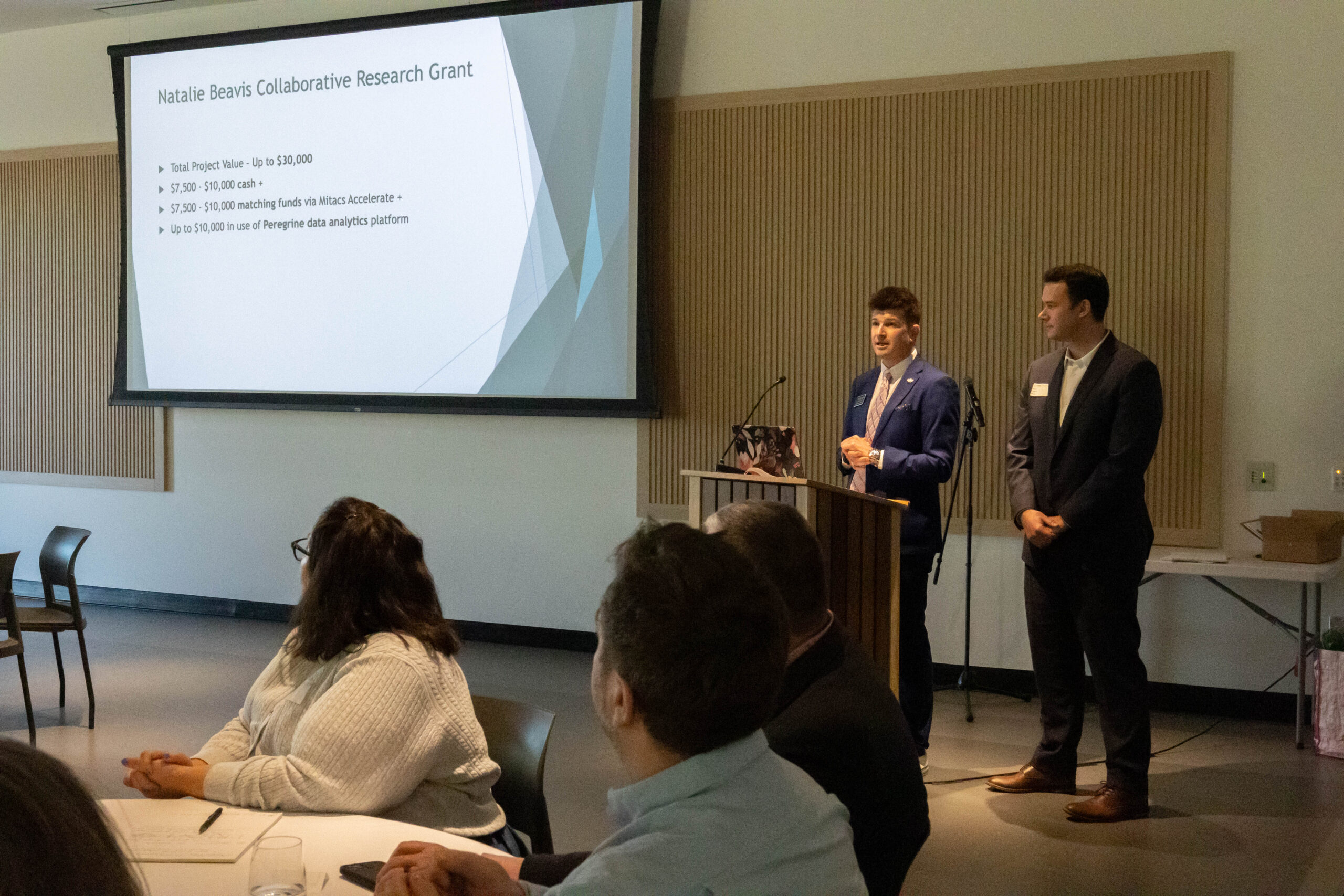
Research projects emerging through Collider also have access to a new source of funding, which was announced at the event. The Natalie Beavis Collaborative Research Grant, named in honour of a two-time Trent alum and PRHC leader who passed away this past December, will help move ideas from concept to implementation.
“Networking events like Collider are critically important to the advancement of research and projects that are focused on multi-faceted issues, such as healthcare,” said Dr. Holger Hintelmann, interim vice-president of Research & Innovation at Trent. “Opportunities for experts to engage in discussions facilitate better questions and investigations, and ultimately better solutions. Providing targeted funding enables those ideas to come to life.”
As an annual event, Collider offers a designated opportunity to share current projects, spark new ideas, build relationships, and identify future areas of focus. It is also a forum to share insights, measure outcomes, and continue building momentum.
Student learning and a strong healthcare system
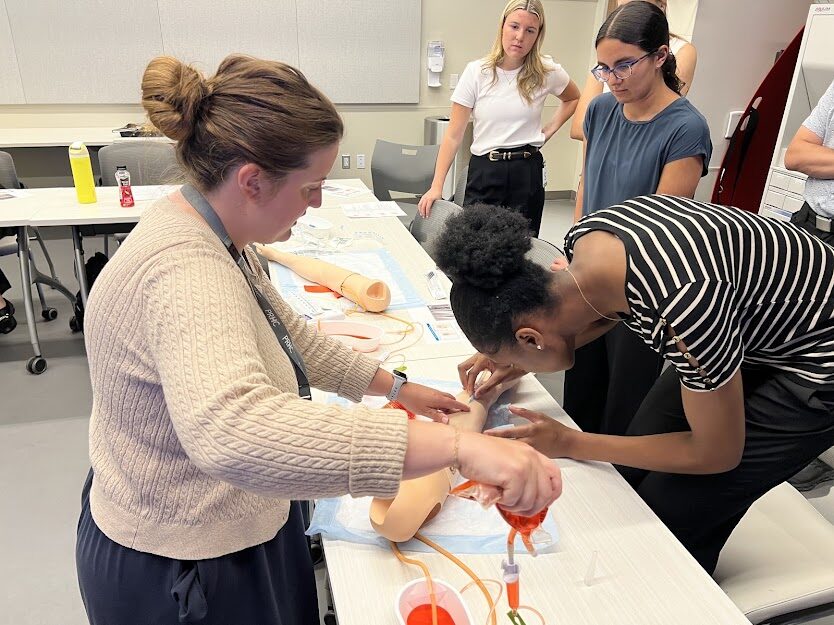
Through the collaboration, Trent students and researchers will also gain hands‑on experience at PRHC through paid co‑op, internships, and applied research projects, helping to strengthen the local healthcare workforce. At the same time, joint initiatives will advance leading‑edge work at PRHC in areas such as data analytics through PRHC’s Peregrine platform, innovations in vascular care, and planning for a future hybrid operating room.
“For patients, this collaboration means faster adoption of research, data, and technology that improves care,” said Evan Lyons, Executive Vice President, Digital Services, Strategy & Transformation and CIO at PRHC. “For our community, it means keeping innovation, talent, and investment local.”
As healthcare systems face increasing complexity, PRHC and Trent are demonstrating how community‑first partnerships can drive meaningful change together. PRHC and Trent represent the region’s largest concentration of highly-educated clinicians and researchers, with hundreds of peer‑reviewed publications across multiple disciplines. Looking ahead, PRHC and Trent are working to further align priorities, expand joint research initiatives, and develop a sustainable community of practice.